Home · Services · Furnace & Heating Repair
Furnace & Heating Repair in Cordova, TN
Quick answer
For a Cordova home, furnace & Heating Repair starts with the runtime record through the humid weeks: the scope then weighs the duct leakage measured in the attics, and the sequence the rooms are balanced after the repair decides the final lines.
In Cordova, furnace & Heating Repair is read against the stock it serves: two story and ranch homes in the planned subdivisions, older homes in the original sections, townhomes and apartments on the corridors, and subdivisions toward the river. With hot humid summers, storm seasons, and mild winters, the local order of work is set before price, and the written scope names that order.
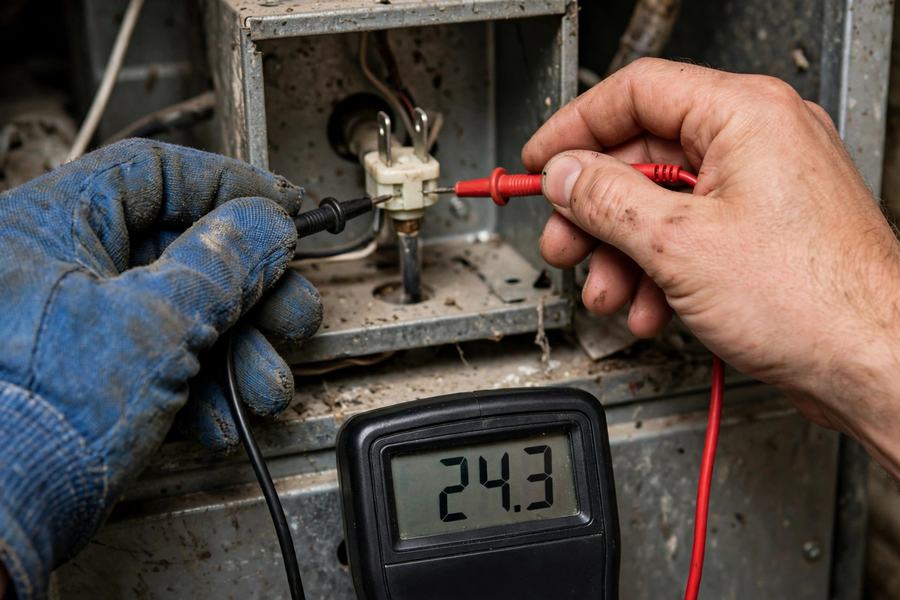
How we approach this job
Diagnosis and insurance documentation: For furnace & heating repair in Cordova, the buying situation is a problem with a cause: find the real source, document it with photographs and readings for any claim, and only then price the fix.
Signs you need furnace & heating repair
- The thermostat calls for heat and nothing happens at all. It usually means the fault is in the control chain, board, limit, or power, and it is found by sequence testing, not part swapping.
- The furnace clicks or the inducer runs, then there is no flame and no heat. It usually means the ignition sequence is stopping at a safety or a worn part.
- The blower runs but the air is cold. It usually means the furnace runs but cannot satisfy the thermostat, which is a capacity or airflow read.
- The system runs a minute or two, shuts off, and repeats. It usually means a safety limit is doing its job and the cause, not the limit, is the repair.
What the job involves
What affects the price
- Component failed: flame sensor and igniter at the low end, inducer and blower motors and boards higher
- Fuel type and system age; parts support thins past about 15 to 20 years
- Whether the fault is a part or a condition (airflow, venting, condensate on high efficiency units)
- Heat exchanger findings, which end repair conversations and start replacement ones for safety reasons
When it is an emergency
No heat in deep cold is a call now problem, doubly so with pipes that will freeze in a cold house and people who cannot leave. A furnace that heats but short cycles is a call today: it is wearing itself out and the fault usually worsens. Any gas smell, any carbon monoxide alarm: out of the house first, utility or 911 next, repair call after. There is no version of that sequence where the repair call comes first.
PLACEHOLDERFurnace & Heating Repair across the Cordova area
Related services
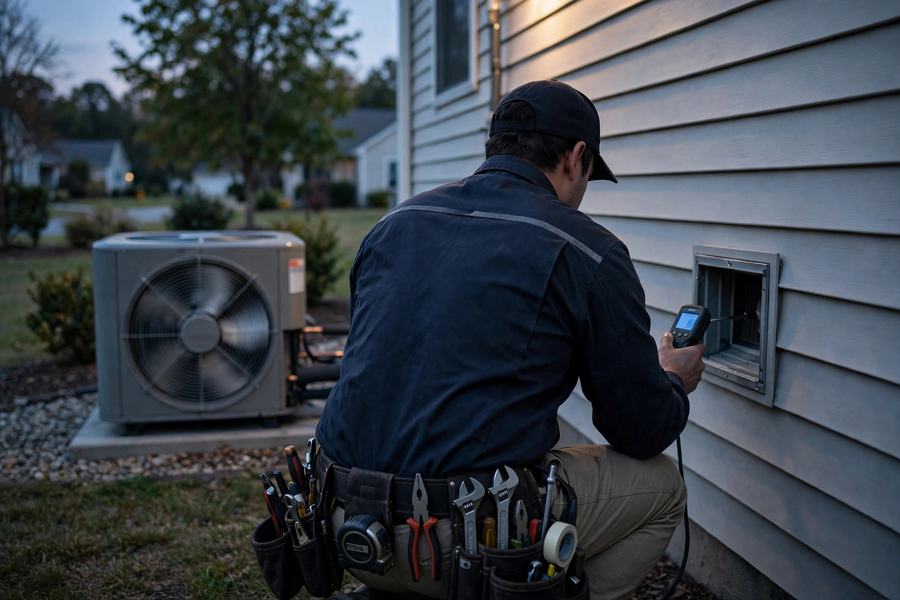
Emergency HVAC Service
The Cordova read on emergency HVAC Service opens with the runtime record through the humid weeks. From there the scope weighs the duct leakage measured in the attics and closes on the sequence the rooms are balanced after the repair, in writing.
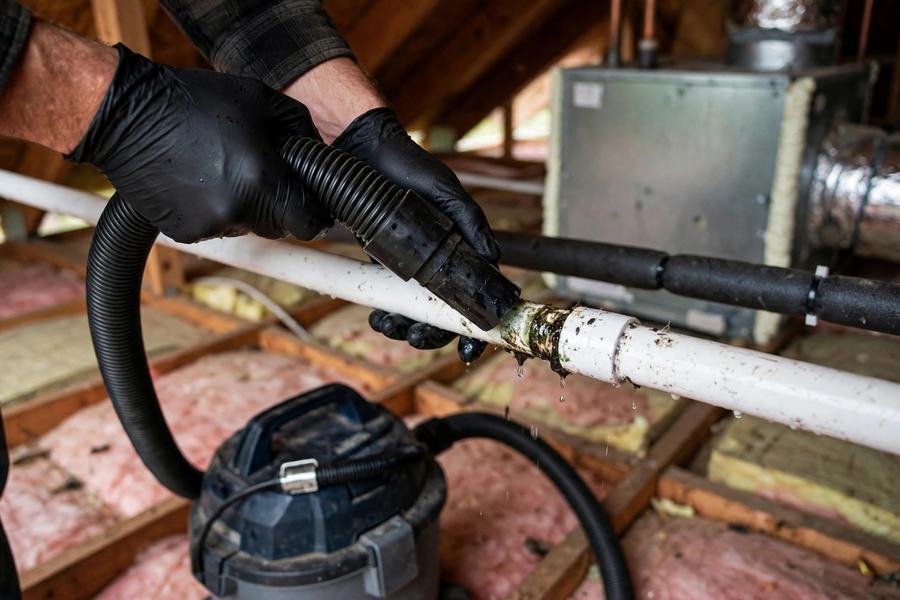
AC Repair
Start aC Repair in Cordova with the runtime record through the humid weeks; the scope then weighs the duct leakage measured in the attics before it promises anything about the sequence the rooms are balanced after the repair.
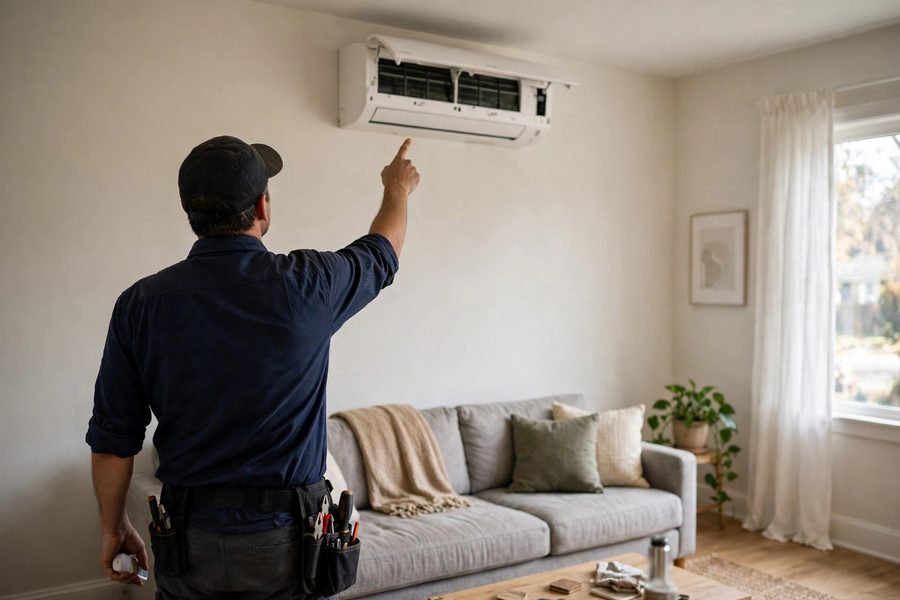
Ductless Mini-Split Installation
Ductless Mini-Split Installation in Cordova is scoped from the runtime record through the humid weeks first. The duct leakage measured in the attics is the second read, and the sequence the rooms are balanced after the repair closes the scope in writing.
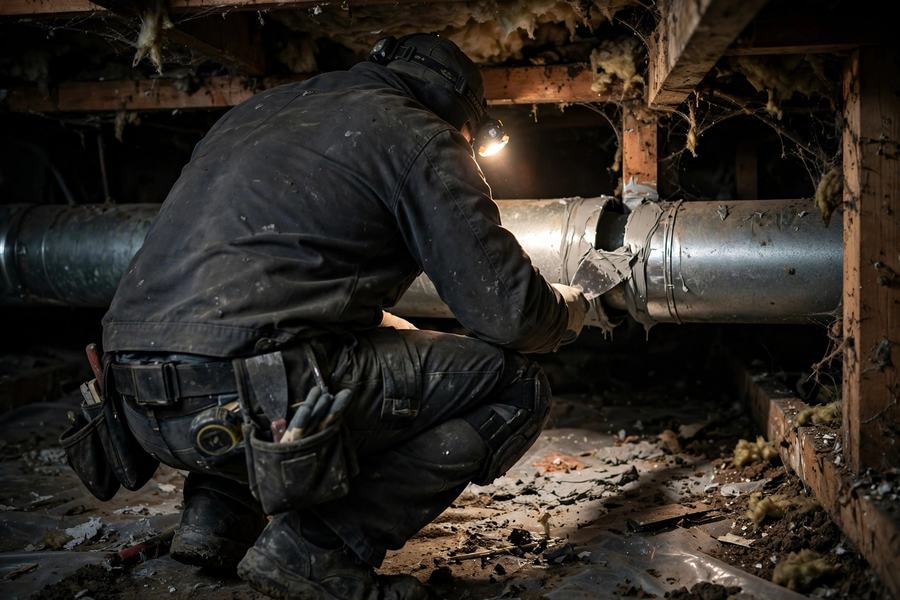
Ductwork Repair & Replacement
In Cordova, the ductwork Repair & Replacement scope is built on the runtime record through the humid weeks and the duct leakage measured in the attics, checked against the sequence the rooms are balanced after the repair. The written scope names the order before a price is discussed.
Furnace & Heating Repair questions, answered
When is furnace & heating repair an emergency?
No heat in deep cold is a call now problem, doubly so with pipes that will freeze in a cold house and people who cannot leave. A furnace that heats but short cycles is a call today: it is wearing itself out and the fault usually worsens. Any gas smell, any carbon monoxide alarm: out of the house first, utility or 911 next, repair call after. There is no version of that sequence where the repair call comes first.
What affects the price of furnace & heating repair in Cordova?
The main price factors for furnace & heating repair are covered in the cost section above. The contractor confirms the exact price in a written estimate after seeing the job, and nothing is owed until you approve it. The call and the referral are free.
Repair or replace: my system is 15 years old. How do I decide?
Use the arithmetic the trade uses: multiply the repair quote by the system's age in years. Past roughly 5,000, replacement usually wins; well under, repair usually wins. A $400 repair on a 15 year old system (6,000) sits on the line; a $1,800 compressor on the same system (27,000) is well past it. Add the condition evidence: refrigerant type on older cooling systems, duct condition, and whether this is the first major repair or the third. Any company should show you both prices in writing; a replacement pitch without a repair price is a sales call, not a diagnosis.
How much does a new HVAC system cost in Cordova?
Published national guides put full system replacement commonly between $5,000 and $12,500 or more installed, with size, efficiency tier, fuel type, and duct work deciding where a house lands. Single component repairs run $150 to $650 for most findings, and a diagnosis visit runs $75 to $200. The honest quote separates equipment, duct corrections, and electrical or venting changes into lines, because the duct line is where replacement quotes quietly differ by thousands between companies measuring the same house.
There is ice on my AC line and the coil looks frozen. What now?
Turn the cooling off and run the indoor fan. A frozen coil is a symptom, usually of low airflow (filter, blower, closed or blocked vents) or low refrigerant from a leak, and running the system frozen risks the compressor, the most expensive part in the system. Let it thaw fully (hours, not minutes) before a technician tests it, because readings on a frozen coil lie. Do not chip the ice. If it freezes again after a filter change, the cause is refrigerant side or blower side, and that is a diagnosis visit, not another thaw.
Request a callback
Prefer to talk later? Leave your details and an independent local pro will call you back. No charge to you, no obligation.
Fletcher Creek Air is a free referral service. Submitting this form connects you with independent local contractors who provide the work.