Home · Services · HVAC System Replacement
HVAC System Replacement in Cordova, TN
Quick answer
HVAC System Replacement here is priced from the record: the runtime record through the humid weeks, the duct leakage measured in the attics, and the sequence the rooms are balanced after the repair. Cordova scopes name that order in writing before work starts.
In Cordova, hVAC System Replacement is read against the stock it serves: two story and ranch homes in the planned subdivisions, older homes in the original sections, townhomes and apartments on the corridors, and subdivisions toward the river. With hot humid summers, storm seasons, and mild winters, the local order of work is set before price, and the written scope names that order.
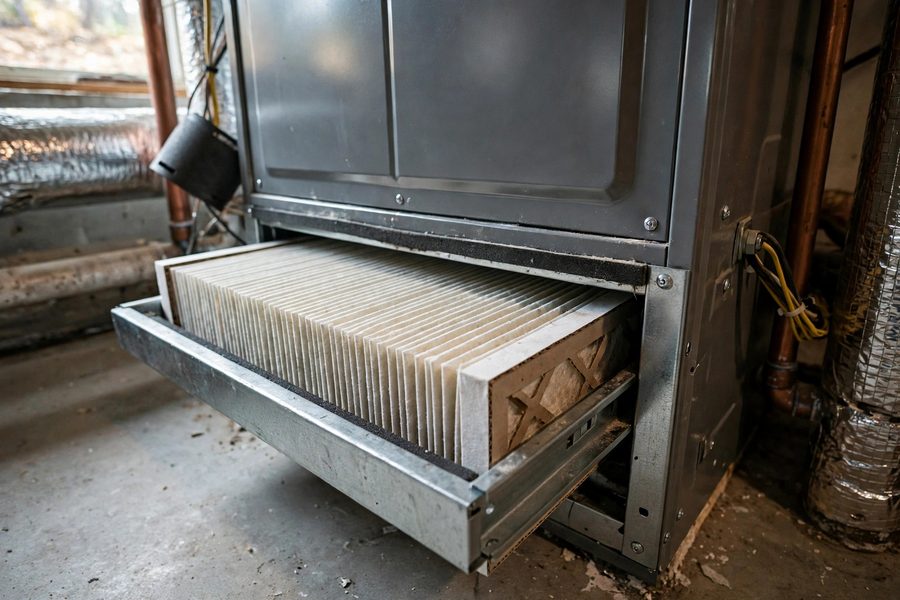
How we approach this job
Rebuild, permits, and service life: For hvac system replacement in Cordova, the buying situation is a long-life decision: permits, inspections, and cost per year of service matter more than the lowest first price.
Signs you need hvac system replacement
- The system is 15 to 20 years old with a repair quote that approaches replacement value. It usually means repair costs are stacking against the equipment's remaining life.
- Repairs have become an annual season of their own. It usually means the system no longer matches the home's load after renovations or additions.
- Rooms that never reach temperature in either season despite repairs. It usually means efficiency and reliability, not just today's failure, are the real purchase.
- A failed compressor or a cracked heat exchanger has ended the repair path. It usually means both are end of equipment findings; a cracked heat exchanger is also a carbon monoxide conversation that ends the debate.
What the job involves
What affects the price
- System size and type (furnace and AC, heat pump, or packaged unit)
- Efficiency tier chosen, which moves equipment cost and operating cost in opposite directions
- Duct repair or replacement scope found at assessment
- Electrical, gas, and venting changes the new unit requires
When it is an emergency
Replacement is planned work, and the honest triggers are a dead major component on an older system, a safety finding like a cracked heat exchanger, or repair arithmetic that stops making sense. A system that dies in extreme weather gets emergency triage first and the replacement decision made warm or cool, not desperate.
PLACEHOLDERHVAC System Replacement across the Cordova area
Related services
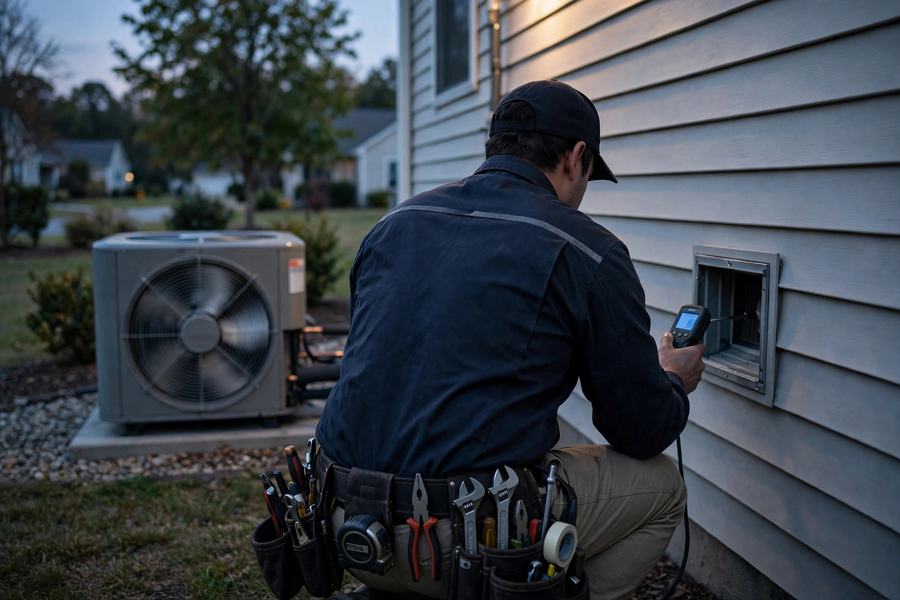
Emergency HVAC Service
The Cordova read on emergency HVAC Service opens with the runtime record through the humid weeks. From there the scope weighs the duct leakage measured in the attics and closes on the sequence the rooms are balanced after the repair, in writing.
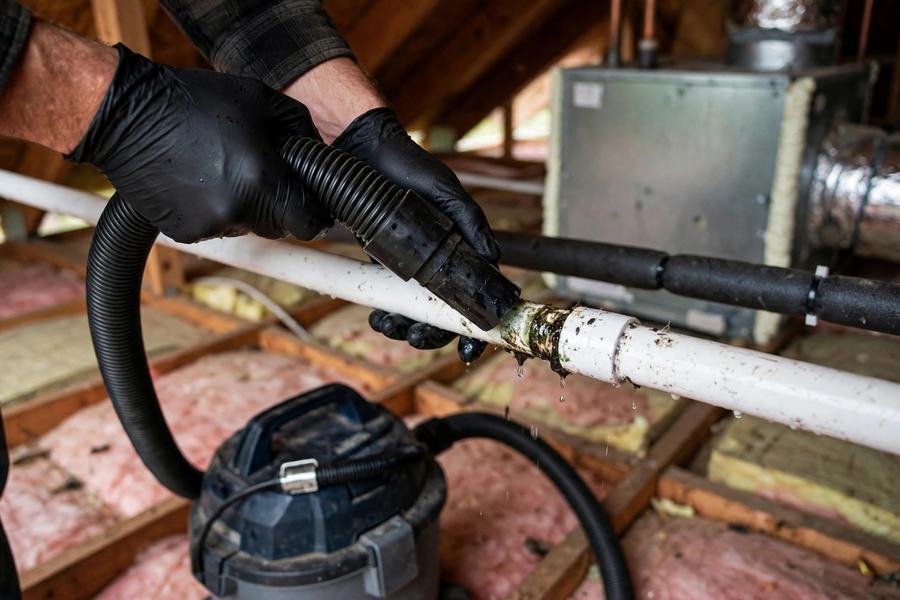
AC Repair
Start aC Repair in Cordova with the runtime record through the humid weeks; the scope then weighs the duct leakage measured in the attics before it promises anything about the sequence the rooms are balanced after the repair.
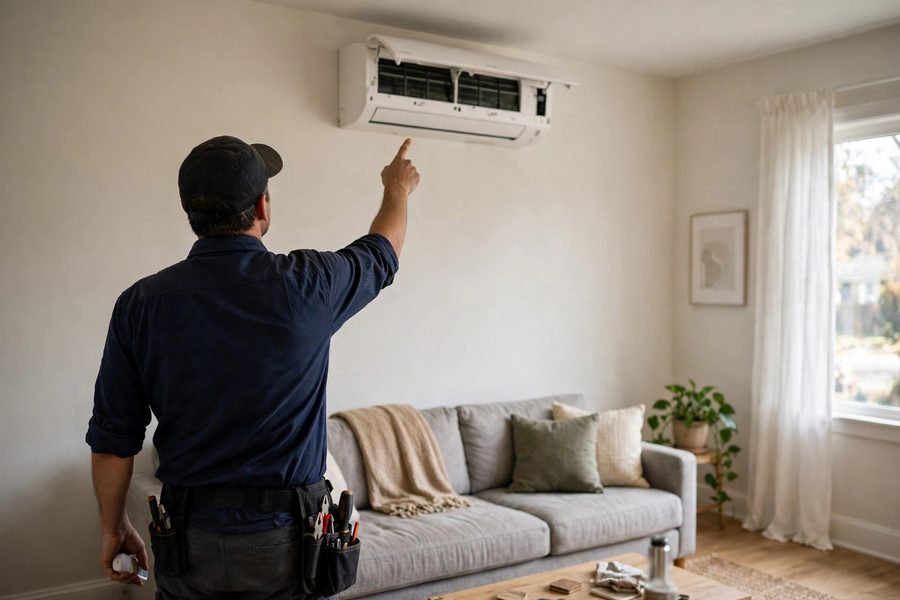
Ductless Mini-Split Installation
Ductless Mini-Split Installation in Cordova is scoped from the runtime record through the humid weeks first. The duct leakage measured in the attics is the second read, and the sequence the rooms are balanced after the repair closes the scope in writing.
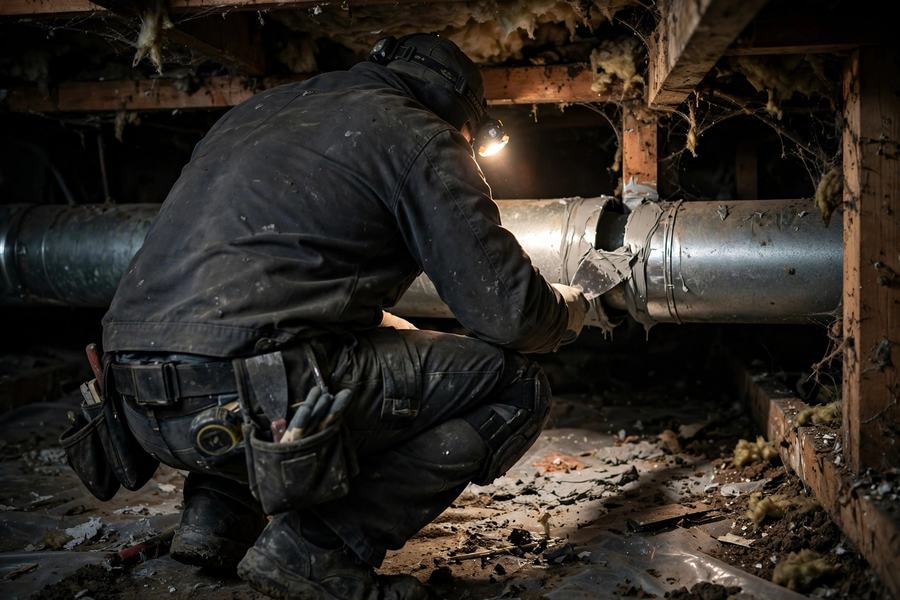
Ductwork Repair & Replacement
In Cordova, the ductwork Repair & Replacement scope is built on the runtime record through the humid weeks and the duct leakage measured in the attics, checked against the sequence the rooms are balanced after the repair. The written scope names the order before a price is discussed.
HVAC System Replacement questions, answered
When is hvac system replacement an emergency?
Replacement is planned work, and the honest triggers are a dead major component on an older system, a safety finding like a cracked heat exchanger, or repair arithmetic that stops making sense. A system that dies in extreme weather gets emergency triage first and the replacement decision made warm or cool, not desperate.
What affects the price of hvac system replacement in Cordova?
The main price factors for hvac system replacement are covered in the cost section above. The contractor confirms the exact price in a written estimate after seeing the job, and nothing is owed until you approve it. The call and the referral are free.
How often should HVAC be serviced, and when?
Once a year per function: cooling before the heat season, heating before the cold season, which for most homes means one or two visits a year. The work that matters is unglamorous: coils cleaned, the condensate drain flushed (its failure is the one that floods ceilings), electrical components tested against readings, and safety controls proven on heating equipment. Shoulder season scheduling is the practical advice: the same visit in the first heat wave joins a queue of people whose systems already failed.
Does homeowners insurance cover HVAC damage in Cordova?
Only when a covered event causes it. Wear, age, and mechanical failure are maintenance and are not covered anywhere. Lightning strikes and power surge damage from a storm event, and fire or storm damage to equipment, are the covered kind, subject to your deductible, and they need documentation: the storm date, the surge evidence, and a technician's finding that ties the failure to the event. A compressor that dies of age in the same week as a storm is still age unless the electrical evidence says otherwise, which is why the diagnosis report matters.
My heat pump blows air that feels cold in heat mode. Is it broken?
Probably not on that evidence alone. Heat pumps deliver air at roughly 90 to 100 degrees, below skin temperature, so it feels cool on your hand while still heating the house; a furnace delivers noticeably hotter air in shorter bursts. The real tests are whether the house holds its set point, whether ice on the outdoor unit clears in defrost, and whether auxiliary heat is running constantly (the electric bill notices that one). If the house drifts colder while the unit runs, or the unit stays iced, that is a service call with a real fault behind it.
Request a callback
Prefer to talk later? Leave your details and an independent local pro will call you back. No charge to you, no obligation.
Fletcher Creek Air is a free referral service. Submitting this form connects you with independent local contractors who provide the work.